Recognizing Andrological Symptoms in Men: A Practical Guide
Understanding and identifying andrological symptoms in men is crucial for timely diagnosis and effective treatment of male reproductive and urological health issues. These symptoms often indicate underlying conditions that, if left untreated, can lead to serious complications. This article provides a clear, structured overview of common symptoms, their implications, and practical advice on when to seek medical consultation.
Identifying Andrological Symptoms in Men
Andrological health focuses on male reproductive and urological systems. Symptoms can vary widely but often share common characteristics that signal the need for professional evaluation. Recognizing these symptoms early can improve outcomes and quality of life.
Common signs to watch for include:
Changes in urinary habits such as increased frequency, urgency, or pain during urination.
Erectile dysfunction or difficulty maintaining an erection.
Unexplained pain or swelling in the testicular area.
Decreased libido or sexual performance.
Presence of lumps or abnormalities in the genital region.
These symptoms may indicate conditions ranging from infections and inflammations to hormonal imbalances or more serious disorders like prostate issues or testicular cancer.

Practical Recommendations
Keep a symptom diary noting frequency, duration, and severity.
Avoid self-medicating; consult a specialist for accurate diagnosis.
Maintain a healthy lifestyle to support reproductive health.
Schedule regular check-ups, especially if you have risk factors such as family history or age over 40.
What Are 5 Common Male Reproductive Problems?
Understanding the most frequent male reproductive problems helps in recognizing symptoms early and seeking appropriate care. Here are five common issues:
Erectile Dysfunction (ED)
Difficulty achieving or maintaining an erection can result from vascular, neurological, or psychological causes. It often signals underlying health problems like diabetes or cardiovascular disease.
Prostatitis
Inflammation of the prostate gland causes pain, urinary difficulties, and sometimes fever. It can be bacterial or chronic non-bacterial.
Benign Prostatic Hyperplasia (BPH)
This non-cancerous enlargement of the prostate affects urinary flow and is common in older men.
Testicular Disorders
Conditions such as testicular torsion, varicocele, or tumors present with pain, swelling, or lumps and require immediate attention.
Hypogonadism
Low testosterone levels lead to reduced libido, fatigue, and muscle weakness. It may be due to aging or endocrine disorders.
Each condition has distinct symptoms but may overlap, making professional evaluation essential.

When to Seek Medical Advice for Andrological Symptoms
Timely consultation with a urologist or andrologist is vital when symptoms appear. Immediate medical attention is recommended if you experience:
Sudden, severe testicular pain.
Blood in urine or semen.
Persistent erectile dysfunction lasting more than a few weeks.
Noticeable lumps or swelling in the genital area.
Significant changes in urinary patterns or discomfort.
Early diagnosis allows for more effective treatment and reduces the risk of complications.
Steps to Take Before Your Appointment
Document all symptoms and their progression.
List any medications or supplements you are taking.
Prepare questions about diagnosis, treatment options, and lifestyle adjustments.
Consider bringing a trusted person for support during the consultation.
Understanding the Link Between Lifestyle and Andrological Health
Lifestyle factors significantly influence male reproductive health. Poor diet, lack of exercise, smoking, and excessive alcohol consumption can exacerbate symptoms or contribute to the development of andrological conditions.
Recommendations for Maintaining Andrological Health
Balanced Diet: Rich in fruits, vegetables, whole grains, and lean proteins.
Regular Exercise: Improves blood flow and hormonal balance.
Avoid Smoking and Limit Alcohol: Both negatively impact erectile function and hormone levels.
Stress Management: Chronic stress can impair sexual function and overall health.
Adequate Sleep: Supports hormonal regulation and recovery.
Incorporating these habits can reduce the risk of developing symptoms and improve existing conditions.
Accessing Expert Care for Andrological Health in the UAE
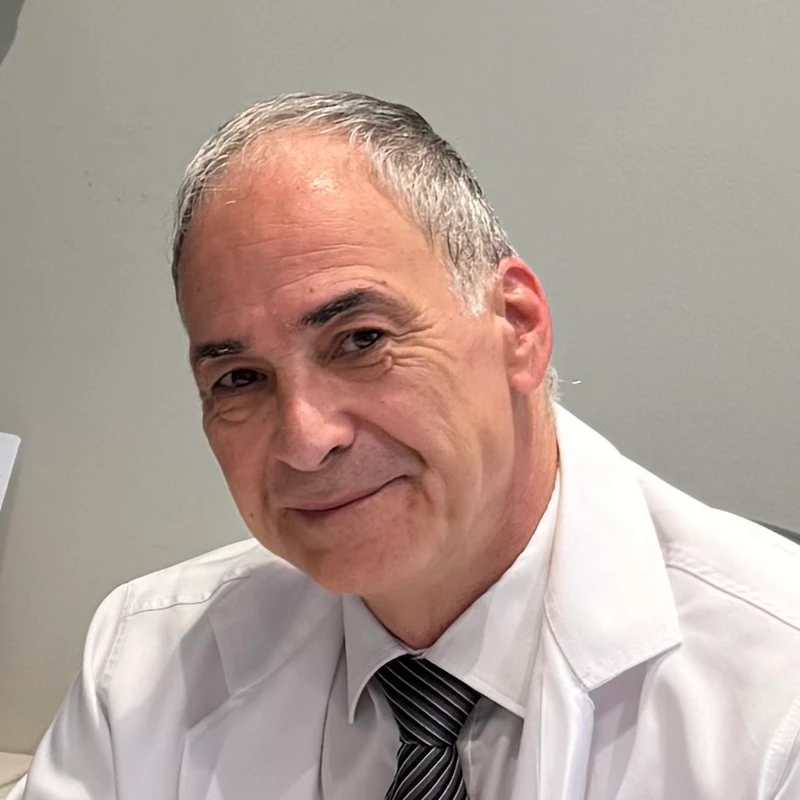
For men experiencing symptoms, consulting a specialist with expertise in andrology is essential. Dr. Ralf Herwig offers advanced personal and online consultations, combining clinical experience with innovative research to provide tailored care.
By addressing symptoms early and following professional guidance, men can maintain reproductive health and prevent long-term complications.
For more detailed information on andrological health symptoms men, visit the linked resource.
This structured approach to recognizing and addressing andrological symptoms empowers men to take control of their health. Early detection, lifestyle adjustments, and expert care form the foundation of effective management and improved quality of life.


Comments